Understanding the psychological influences behind gambling behavior
The Psychological Triggers of Gambling
Gambling behavior is often influenced by a variety of psychological triggers that compel individuals to engage in betting activities. One of the primary triggers is the excitement associated with risk-taking. For many, the thrill of potentially winning can lead to a rush of adrenaline, enhancing the overall experience of gambling. This excitement can overshadow the rational thought processes that typically guide decision-making, prompting individuals to overlook the inherent risks involved. Platforms like bpexch sports showcase this thrilling nature of betting as users can engage in live markets and dynamic odds.

Another psychological influence is the concept of variable reinforcement, which is prevalent in both online and land-based gambling environments. Players often experience wins that are sporadic and unpredictable, creating a cycle of anticipation and hope. This unpredictability can make the act of gambling more compelling, as individuals continuously chase the next big win. This cycle often leads to repeated gambling behavior, reinforcing the habit over time.
Moreover, cognitive biases play a crucial role in gambling behavior. Many individuals suffer from illusions of control, believing they can influence outcomes, particularly in games of chance. This erroneous belief can encourage players to engage in gambling even when the odds are stacked against them. Such cognitive distortions can create a sense of false confidence, further entrenching the gambling habit.
The Role of Environment in Gambling Behavior
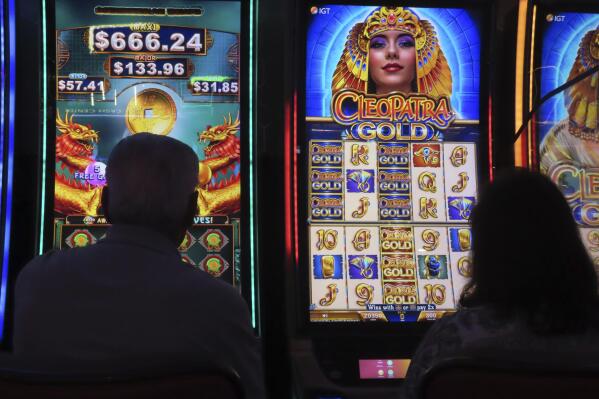
The environment in which gambling takes place significantly influences behavior. In land-based casinos, the atmosphere is meticulously designed to stimulate engagement. The use of bright lights, sounds of winning, and strategically placed games creates an immersive experience that can lead to increased gambling behavior. This sensory overload is particularly effective in keeping players engaged and prolonging their stay at the casino.
In contrast, online gambling provides a different environment that has its own psychological influences. Players can access a wide array of games from the comfort of their homes, which often leads to increased gambling frequency. The convenience of online platforms may lower inhibitions and increase impulsivity. Without the physical presence of others, individuals may gamble more recklessly than they would in a social setting.
Social factors also contribute to gambling behavior. The presence of friends or family who engage in gambling can normalize the behavior, making it seem acceptable or even desirable. Social interactions in both land-based and online environments can create a sense of community, which may encourage individuals to participate more actively. This social influence can amplify the psychological triggers associated with gambling, making it more challenging for individuals to resist.
The Emotional Impact of Gambling
The emotional repercussions of gambling are significant and multifaceted. Many individuals gamble as a means of escaping from stress or negative emotions. This coping mechanism can lead to a cycle where gambling temporarily alleviates emotional pain but ultimately contributes to greater distress when losses occur. The fleeting highs of winning can quickly turn into the lows of losing, creating a turbulent emotional landscape.
Moreover, feelings of guilt and shame often accompany gambling behaviors, particularly when individuals realize the extent of their losses. This emotional turmoil can lead to further gambling as individuals attempt to recover lost funds, creating a vicious cycle. Over time, these emotional impacts can contribute to mental health issues such as anxiety and depression, which may further fuel the gambling behavior.
In addition, the relationship between gambling and emotional regulation is complex. For some, the act of gambling serves as an emotional release, providing a temporary escape from reality. However, when gambling becomes a primary method of coping, individuals may neglect healthier emotional outlets. This reliance on gambling for emotional regulation can lead to worsening mental health and increased gambling frequency, making it difficult for individuals to break free from the cycle.
The Influence of Technology on Gambling Behavior
Technological advancements have transformed the gambling landscape, significantly influencing behavior patterns. Online casinos and betting platforms have made gambling more accessible than ever. Individuals can engage in gambling activities at any time and from any location, which can lead to increased frequency and impulsivity in their betting behaviors. This accessibility can also diminish the social barriers that may exist in land-based gambling environments.
Furthermore, features such as live betting and real-time odds have created a more dynamic and engaging gambling experience. The ability to place bets while an event unfolds adds an additional layer of excitement and urgency. This immediacy can amplify the emotional highs and lows experienced during gambling, reinforcing behavior in a way that traditional gambling methods might not.
Social media has also played a role in shaping gambling behavior, as many platforms now incorporate gamification elements to engage users. This incorporation of social features can create a sense of community and competition, encouraging individuals to gamble more frequently. The combination of technology and social interaction can further entrench gambling habits, making it essential for individuals to be aware of these influences on their behavior.
Understanding BPExch Live and Its Impact on Gambling Behavior
BPExch Live represents a pivotal development in the realm of online sports betting, offering a unique platform for users to engage in real-time betting on popular sports. The structure of this platform is designed to enhance user interaction, allowing individuals to trade odds as events progress. This dynamic environment can significantly influence gambling behavior, as users are continually engaged and incentivized to place bets.
The user-friendly interface and various payment methods provided by BPExch Live further contribute to the overall gambling experience. With cash-out options available, users maintain control over their bets, which can reduce some of the psychological pressures associated with traditional gambling. This sense of control may mitigate impulsivity, enabling users to make more rational decisions while gambling.
Ultimately, BPExch Live exemplifies how modern online platforms can shape gambling behavior through innovative features and a focus on user experience. By understanding the psychological influences at play, users can make more informed decisions and navigate their gambling habits in a more conscious and responsible manner.






:max_bytes(150000):strip_icc():format(webp)/Casino-Games-by-Michael-Blann-GettyImages-200325572-001-5c26042d46e0fb00017bb4b3.jpg)