Understanding the psychology behind gambling behavior in casinos
The Allure of Casinos
Casinos are meticulously designed environments that entice individuals to engage in gambling activities. From vibrant lights to captivating sounds, every element is engineered to heighten excitement and stimulate the senses. This atmosphere serves to distract players from the reality of potential losses, creating an immersive experience that encourages continued play. If you are looking to explore alternatives, consider the non gamstop betting sites that offer unique experiences.
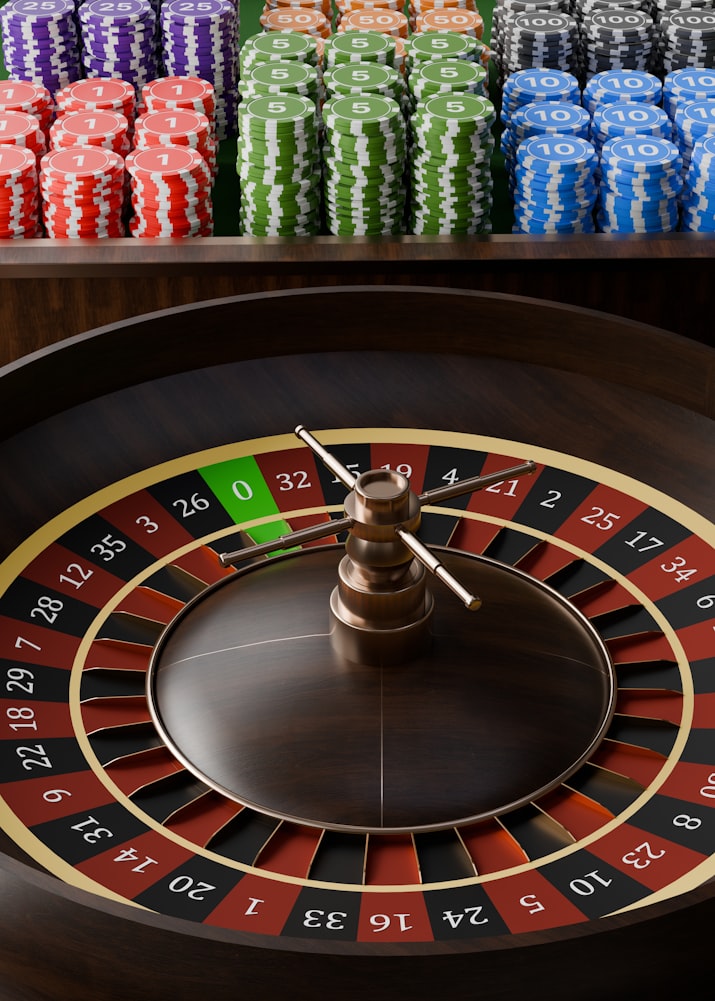
The psychology behind the allure of casinos lies in the combination of risk and reward. The thrill of winning, paired with the possibility of a significant payout, can create a potent cocktail of emotions that keeps players returning. This concept is often referred to as the “near-miss” phenomenon, where players feel as though they were close to winning, prompting them to try again in hopes of achieving that elusive success.
The Role of Cognitive Biases
Cognitive biases play a crucial role in gambling behavior, influencing how individuals perceive risk and reward. For instance, the gambler’s fallacy leads players to believe that past outcomes will affect future results. This misconception can lead to irrational betting patterns, as individuals chase losses or believe they are due for a win after a losing streak. Recognizing the impact of these biases is vital for anyone engaging with casino games.
Additionally, confirmation bias causes players to focus on winning experiences while ignoring losses. This selective memory reinforces positive feelings about gambling, making it difficult for individuals to recognize the negative aspects of their behavior. Understanding these biases can provide insight into why many gamblers struggle to walk away from the tables.
The Impact of Social Environment
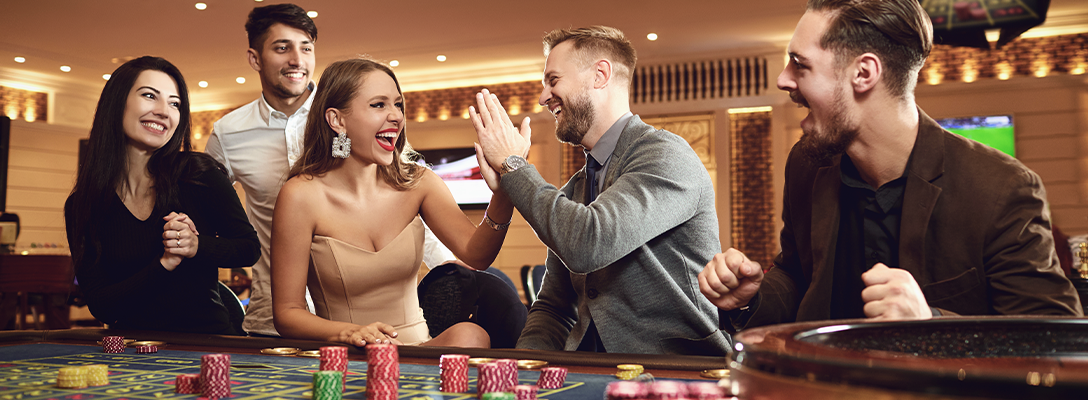
The social dynamics of casinos significantly affect gambling behavior. Many individuals enjoy the camaraderie that comes from gambling in groups, creating a shared experience that can amplify excitement. This social interaction can lead to a sense of belonging, making it easier for players to overlook the risks associated with gambling.
Furthermore, peer pressure can influence betting behavior. People are often swayed by friends or companions to continue playing, especially when in a celebratory atmosphere. This social component not only enhances the thrill of gambling but can also lead to increased spending and impulsive decisions.
Emotional Triggers and Their Effects
Emotional states can heavily influence gambling behavior, with many individuals using gambling as a coping mechanism for stress or anxiety. When faced with personal challenges, some may turn to casinos as a form of escapism, believing that winning could alleviate their problems. This can create a cycle where individuals gamble more to cope with emotional distress.
Conversely, feelings of euphoria from winning can lead to increased gambling, as players seek to replicate that high. Understanding how emotions affect decision-making can shed light on the patterns of those who frequently gamble, emphasizing the need for emotional regulation to promote healthier behaviors.
Finding Your Perfect Gambling Experience
For those interested in exploring the world of gambling, it is essential to understand your motivations and the psychological elements at play. Many platforms now offer comprehensive comparisons of trusted betting sites, providing a user-friendly experience tailored to individual preferences. This can help you find environments that align with your expectations and gaming style, including the most famous casinos around the world.
Prioritizing responsible gaming practices is also crucial. Engaging with resources that promote awareness of gambling behaviors can aid in making informed decisions. Whether you are seeking excitement or a social outlet, being mindful of your choices will enhance your overall gambling experience.
Leave a Reply