The evolution of gambling a historical perspective
Ancient Beginnings
Gambling has a rich history that dates back to ancient civilizations. Evidence of gambling activities can be traced to the Egyptians, who played games involving dice around 3000 BCE. Similarly, ancient Chinese culture also embraced gambling with activities that involved drawing lots or betting on the outcome of games. These early forms of gambling were often intertwined with social rituals, serving not only as entertainment but also as a way to foster community bonds. Casino enthusiasts today can explore platforms like spinstation-uk.com, offering a wide variety of games to keep the spirit of these traditions alive.

The Greeks and Romans further developed gambling practices, establishing betting on athletic events and chariot races. The Romans, in particular, enjoyed a variety of games that were popularized through their empire, allowing for the growth of gambling as a leisure activity. These cultures contributed significantly to the conceptual framework of modern gambling, laying the groundwork for future developments in betting and game mechanics.
Throughout these early epochs, gambling was not without its controversies. It often faced opposition from religious and political institutions that viewed it as a moral failing. Nonetheless, the allure of chance and the potential for reward led to its persistence, influencing various aspects of life, from economic transactions to social interactions. As civilizations evolved, so too did the methods and regulations surrounding gambling, setting the stage for its later complexities.
The Rise of Formal Gambling
As societies advanced, particularly during the Middle Ages, gambling began to be formalized. The introduction of card games in Europe during the 14th century marked a significant transition in gambling’s evolution. These games not only diversified the types of gambling available but also became a social pastime among the nobility. Gambling houses began to emerge, providing structured environments for enthusiasts to indulge in games of chance.
The establishment of state-run lotteries in the 16th and 17th centuries was another pivotal moment in the evolution of gambling. Governments recognized the potential for revenue generation and began to regulate and oversee lottery systems. This transition from informal betting to state-sanctioned gambling illustrated a shift in public perception, as gambling began to be viewed as a legitimate means of entertainment and economic support.
During the 19th century, the advent of casinos added another layer to gambling’s formalization. The first modern casino, the Casino di Venezia, opened its doors in Italy in 1638, and this model quickly spread across Europe and eventually to America. The establishment of casinos helped to legitimize gambling in society, transforming it into a multifaceted industry that catered to a wide range of players, from the casual bettor to the high roller.
Gambling in the Modern Era
The 20th century marked a turning point in the evolution of gambling, with significant advancements in technology and regulation. The establishment of the first legal casinos in Nevada in 1931 represented a major milestone. Las Vegas quickly became synonymous with gambling, attracting tourists worldwide. This development highlighted the commercialization of gambling, as cities recognized the economic benefits of tourism linked to gaming industries.
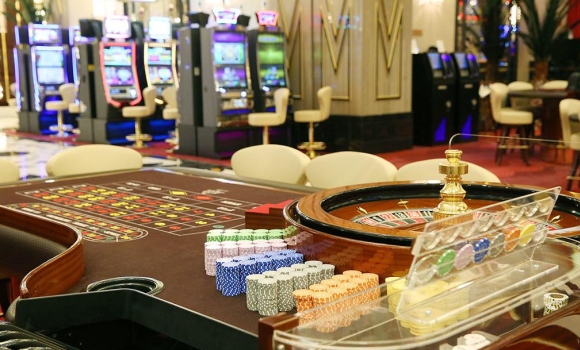
The introduction of electronic gaming machines in the latter half of the century revolutionized the casino experience. Slot machines became popular, allowing for easy access and participation in gambling activities. This innovation made gambling more accessible to the general public, facilitating a rise in participation rates. Over time, these machines evolved from mechanical designs to sophisticated digital interfaces, appealing to a broader audience.
As the century progressed, the emergence of the internet transformed gambling yet again. Online casinos began to surface in the late 1990s, enabling players to gamble from the comfort of their homes. This shift democratized access to gambling, allowing individuals who might not have visited a physical casino to participate in various games. The digital revolution paved the way for innovations such as live dealer games and mobile betting, further enhancing the gambling landscape.
Globalization and Regulation
The globalization of gambling has been one of the defining features of the 21st century. With the advent of online gambling, players from various countries can engage in games that were once restricted to their geographical locations. This international reach has introduced new challenges regarding regulation and fair play. Countries have had to adapt their laws to address issues like online gambling, ensuring player protection and proper oversight.
Regulatory bodies have emerged worldwide, enforcing laws that govern the gambling industry. Countries like the United Kingdom and Malta have established comprehensive licensing systems to create secure environments for online players. These regulations not only safeguard player interests but also contribute to responsible gambling initiatives, aiming to minimize addiction and promote safe practices in the gambling community.
The evolution of gambling regulation is also characterized by the growth of responsible gaming initiatives. Many jurisdictions now require operators to provide support systems for players who may struggle with gambling-related issues. This focus on player welfare has become an essential aspect of the gambling industry, reflecting a broader societal understanding of gambling’s impact on individuals and communities.
The Digital Landscape of Gambling
Spin Station UK exemplifies the modern evolution of gambling, showcasing how online platforms have transformed the gaming experience. With over 2,000 slots and live games from renowned providers like NetEnt and Pragmatic Play, Spin Station provides a diverse selection for UK players. This vast array of options caters to various preferences, ensuring that all players can find something that appeals to them.
The platform has prioritized player safety and responsible gambling practices by being fully licensed by the UK Gambling Commission. This regulatory oversight ensures a secure environment for users, fostering trust and confidence in their gaming choices. Additionally, the inclusion of multiple payment options, including PayPal, enhances convenience and accessibility for players.
Spin Station UK’s commitment to offering a captivating gaming experience is underscored by their generous welcome bonuses, such as up to £250 and 20 free spins for new players. These incentives not only attract new users but also reflect the competitive nature of the online gambling market. As gambling continues to evolve, platforms like Spin Station play a vital role in shaping the future of the industry, offering innovative solutions while prioritizing player engagement and satisfaction.
Leave a Reply